There is something special about adding fresh herbs to a meal. A few leaves of basil can make a simple pasta taste more flavorful. Fresh mint can turn an ordinary glass of water into a refreshing drink. Rosemary, parsley, thyme, and cilantro can fill your kitchen with wonderful aromas while making everyday recipes taste even better. Now imagine walking a few steps to your kitchen window, picking fresh herbs from your own plants, and using them immediately. That simple experience is one of the greatest rewards of indoor gardening.
Many people believe growing herbs is only possible if they have a large backyard or live in a warm climate. In reality, herbs are some of the easiest plants to grow indoors. With the right location, healthy soil, and a little regular care, you can enjoy fresh herbs throughout the year, no matter where you live.
Indoor herb gardening is perfect for beginners because it requires very little space. A sunny windowsill, a small shelf, or even a corner with a grow light can become a productive mini garden. Besides providing fresh ingredients for cooking, herbs also add natural beauty, pleasant fragrances, and a touch of greenery to your home.
Whether you enjoy cooking every day or simply want to explore a new hobby, growing herbs indoors is an enjoyable project that continues to reward you season after season.
Choose the Right Herbs and the Best Location
The journey begins with choosing herbs that naturally grow well indoors. While many herbs can adapt to indoor conditions, some are especially suitable for beginners because they require only basic care.
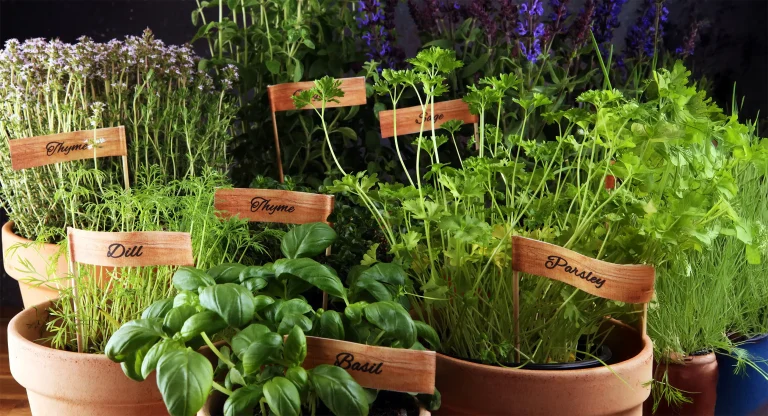
Basil is one of the most popular choices because it grows quickly and is useful in many recipes. Parsley is another reliable herb that produces fresh leaves over a long period when harvested regularly. Mint grows vigorously and fills the room with a refreshing scent, although it is usually best grown in its own pot because it spreads rapidly.
Chives provide a mild onion flavor and are easy to trim whenever needed. Thyme and oregano grow steadily with little maintenance, while rosemary adds both beauty and fragrance with its needle-like leaves. Cilantro can also be grown indoors, although it prefers cooler temperatures than some other herbs.
Once you have selected your herbs, finding the right location becomes the next important step. Most herbs enjoy plenty of sunlight. A bright window that receives several hours of sunlight each day is often the ideal place. South-facing or west-facing windows usually provide the strongest natural light, although other bright locations can also work well.
If your home receives limited sunlight, there is no need to give up. Many indoor gardeners successfully grow herbs using LED grow lights that provide the light plants need throughout the year. These lights allow herbs to continue growing even during shorter winter days.
Choosing the right containers is equally important. Pots should always have drainage holes to allow extra water to escape. Healthy roots need both moisture and air, and proper drainage helps prevent root rot.
Starting with just three or four herbs is often the easiest approach. As your confidence grows, you can gradually expand your indoor garden with additional varieties.
Create Healthy Growing Conditions
Like every plant, herbs thrive when they receive the right balance of soil, water, light, and air. Fortunately, these needs are simple to meet once you understand the basics.
Good-quality potting mix provides the foundation for healthy growth. Unlike ordinary garden soil, potting mix remains light and well-drained, allowing roots to spread easily while holding enough moisture for the plants.
Watering is one area where many beginners make mistakes. Herbs generally prefer slightly moist soil rather than constantly wet conditions. Before watering, gently touch the top layer of soil. If it feels dry, the plant is usually ready for more water. If the soil still feels damp, waiting another day or two is often the better choice.
Temperature also affects growth. Most herbs grow comfortably in normal indoor temperatures that people find pleasant. Avoid placing pots directly beside heating vents, air conditioners, or drafty windows where sudden temperature changes may stress the plants.
Fresh air plays an important role as well. Opening a nearby window occasionally helps improve air circulation, although herbs should be protected from strong cold winds during winter.
Feeding herbs with a balanced fertilizer every few weeks during active growth provides additional nutrients that support healthy leaves. However, using too much fertilizer may reduce the rich flavor that makes fresh herbs so enjoyable, so moderation is always best.
Turning the pots every few days helps each side receive equal sunlight. This simple habit encourages balanced growth instead of allowing plants to lean toward the nearest window.
Healthy conditions do not require complicated equipment. A bright location, good soil, careful watering, and a little attention each week are usually enough to keep herbs growing throughout the year.
Harvest Regularly to Encourage New Growth
One of the greatest joys of growing herbs indoors is being able to harvest fresh leaves whenever you need them. Surprisingly, regular harvesting actually helps many herbs grow even better.
Imagine preparing dinner and stepping over to your indoor garden to pick a handful of basil, parsley, or chives. Instead of buying packaged herbs that may lose freshness after a few days, you have access to ingredients that were growing just moments before they reached your plate.
The key is harvesting carefully. Instead of removing all the leaves from one part of the plant, trim small amounts from different stems. This encourages the herb to produce new branches and become fuller over time.
Basil especially benefits from regular trimming. Removing the growing tips encourages the plant to branch out, creating a bushier and healthier shape. Chives quickly produce new leaves after cutting, while parsley continues growing when only the outer stems are harvested first.
Flowers should also be watched carefully. Many herbs naturally produce flowers as they mature. While flowers can be attractive, allowing certain herbs to flower too early often reduces leaf production. Pinching off flower buds helps the plant continue producing fresh leaves for a longer period.
Keeping the plants clean is another simple habit that supports healthy growth. Remove yellow leaves, damaged stems, or dried foliage as soon as you notice them. This keeps the plants attractive while allowing them to focus their energy on new growth.
Occasionally inspecting the leaves for insects is also worthwhile. Indoor herbs rarely experience serious pest problems, but early detection makes any issue much easier to manage.
With regular harvesting and gentle care, many herbs continue producing fresh leaves for months, giving you a reliable supply throughout every season.
Enjoy Fresh Flavors Every Day of the Year
Growing herbs indoors offers benefits that extend far beyond cooking. A collection of healthy green plants brightens kitchens, dining rooms, and windowsills while creating a calm and natural atmosphere inside the home.
Many people discover that caring for herbs becomes a relaxing daily routine. Watering a few pots, checking for new leaves, or enjoying the fresh fragrance of rosemary and mint provides a quiet moment away from busy schedules.
Indoor herb gardens are also perfect for families. Children often enjoy watching plants grow from seeds and learning how fresh ingredients are produced. Picking herbs together before preparing meals helps build an appreciation for gardening as well as healthy cooking.
As your experience grows, you may decide to experiment with additional herbs or even small indoor vegetables. What begins as a few pots of basil and parsley can gradually become a thriving indoor garden that provides fresh ingredients throughout the year.
Do not be discouraged if every herb does not grow perfectly at first. Every gardener experiences small challenges while learning. Perhaps one plant receives too much water or another needs more sunlight. Each experience teaches valuable lessons that make future gardening easier and more successful.
Seasonal changes may also require small adjustments. During winter, herbs often need a little more light because daylight hours become shorter. During summer, they may require more frequent watering due to warmer indoor temperatures. Paying attention to these changes helps keep the plants healthy throughout the year.
In the end, growing fresh herbs indoors is one of the simplest and most rewarding ways to bring nature into your home. It requires very little space, modest effort, and only a few minutes of care each week. Yet the rewards are remarkable. Fresh flavors, pleasant fragrances, beautiful greenery, and the satisfaction of harvesting your own herbs make the experience worthwhile.
Whether you grow basil for homemade pasta, mint for refreshing drinks, rosemary for roasted vegetables, or parsley for everyday meals, every harvest reminds you that fresh food can begin right inside your own home. With patience, consistent care, and a sunny corner, your indoor herb garden will continue providing beauty and flavor through every season of the year, turning ordinary cooking into a more enjoyable and rewarding experience.